Best Bed Socks UK 2026: The Complete Buying Guide for Warm Sleepers
Find the best bed socks in the UK for 2026. Compare cashmere, alpaca and merino bed socks for men and women—plus expert tips for poor circulation and cold feet.
Noblesocks Team
Sock Experts
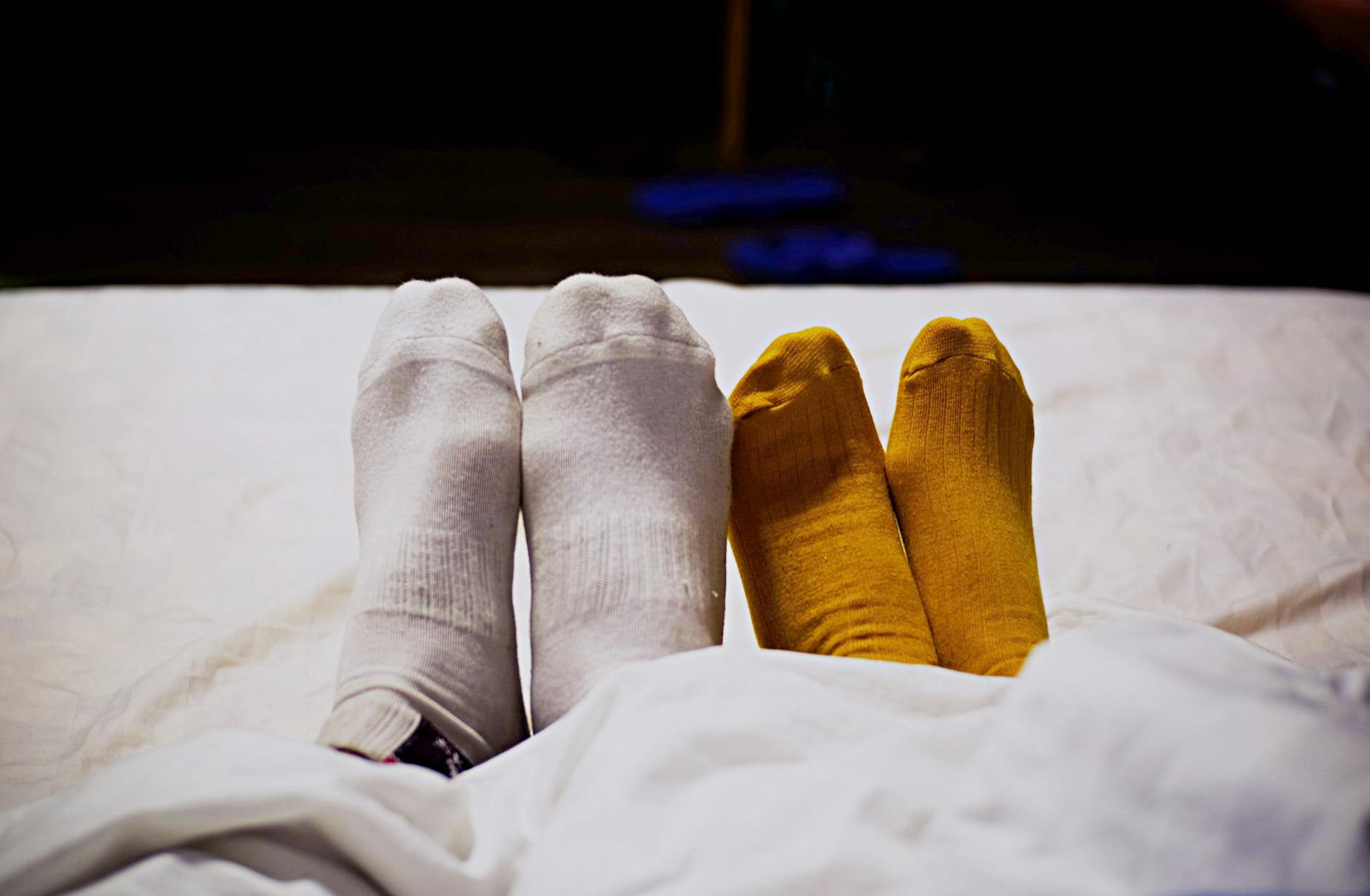
Bed socks help you fall asleep faster by triggering vasodilation — warming your feet causes blood vessels to dilate and your core body temperature to drop, signalling sleep onset. Natural fibres like alpaca and merino maintain the optimal foot temperature of 33–36°C all night. Synthetic and cotton socks overshoot this window and cause overheating.
Best Bed Socks UK 2026: The Complete Buying Guide
Bed socks aren't just an afterthought—they're the difference between lying awake with cold feet and drifting off within minutes. Research shows that warming your feet before sleep triggers vasodilation, helping your core temperature drop and signalling to your brain that it's time to rest. But not all bed socks are equal. This guide covers the best materials, fits, and options for men, women, and those with circulation issues.
Why Bed Socks Are Different from Regular Socks
If you've ever worn your daytime socks to bed, you'll know something feels off. Regular socks are designed for support inside shoes—tighter cuffs, thinner profiles, sometimes synthetic blends for durability. Bed socks serve an entirely different purpose.
The key differences:
Tight socks restrict blood flow while you sleep—exactly the opposite of what you want. Bed socks should feel like a gentle, warm hug around your feet, not a compression bandage.
The Sleep Science: Why Warm Feet Help You Sleep Faster
Your body's core temperature needs to drop by approximately 1–2°C to initiate sleep. Warming your feet accelerates this via distal vasodilation: heat-carrying blood moves to dilated vessels in the extremities, dissipates through the skin, and lowers core temperature — triggering the hypothalamus to initiate sleep.
The most cited research is Krauchi et al. (1997, Nature), which found that the ratio of distal-to-proximal skin temperature is the strongest single predictor of sleep onset latency — stronger than subjective sleepiness or melatonin levels. People with warmer extremities fall asleep faster and have fewer night awakenings.
The optimal foot temperature for sleep onset is 33–36°C. Below this, the vasodilation effect doesn't trigger. Above 38°C, the mechanism reverses — overheated feet cause the body to attempt to cool itself, increasing arousal and delaying sleep.
This is why material matters far more than thickness: a thin alpaca sock outperforms a thick cotton sock every time.
Best Materials for Bed Socks
Cashmere: The Luxury Choice
Cashmere is arguably the ultimate bed sock material. The incredibly fine fibres (12-16 microns) create a soft cocoon that feels luxurious against bare skin.
Why cashmere excels for bed:
The downside? Cashmere is more delicate than other wools and requires careful washing. But for pure bedtime comfort, nothing beats it. For more on cashmere sock quality and what to look for, see our cashmere socks buying guide.
Shop our Cashmere Blend – £34.99
Alpaca Wool: Maximum Warmth
If cold feet are your primary problem, alpaca wool bed socks deliver the most warmth per gram of any natural fibre. Each alpaca fibre contains a hollow core that traps air, creating exceptional insulation without the weight.
Why alpaca excels for bed:
For those who wake up with freezing feet despite heavy duvets, alpaca bed socks are the answer. Browse our alpaca wool collection to see the full range.
Shop Alpaca Wool Socks – £32.99
Merino Wool: The All-Rounder
Merino sits perfectly between cashmere's softness and alpaca's warmth. Its fine fibres (17-24 microns) are soft enough for sensitive skin, while its moisture-wicking properties prevent the clammy feeling that disrupts sleep.
Why merino excels for bed:
If you want one pair of socks that works for bed and lounging around the house, merino is the smart choice. Learn more about merino wool benefits.
!Close-up of premium wool yarn showing the soft texture of natural fibre sock materials Premium natural fibres like cashmere and alpaca create the softest, warmest bed socks
Best Bed Socks for Men
Men's bed socks need to account for typically larger feet and a preference for thicker, more substantial socks. Many men who dismiss bed socks as unnecessary change their minds after trying a quality pair.
What to look for in men's bed socks:
Our recommendation for men: Alpaca wool bed socks provide the substantial warmth and durability that most men prefer, without the fussiness of cashmere care.
Best Bed Socks for Women
Women are statistically more likely to suffer from cold feet—partly due to lower muscle mass in the extremities, hormonal fluctuations, and conditions like Raynaud's that disproportionately affect women.
What to look for in women's bed socks:
Our recommendation for women: Cashmere bed socks deliver the softness and lightweight warmth that many women prefer. For those who need maximum warmth, alpaca is the better choice.
!Cozy winter morning with warm slippers and a hot drink on the bed The right bed socks transform cold winter mornings into something to look forward to
If you also need socks for daytime walking, our anti blister hiking socks guide covers the best materials for trail comfort.
Bed Socks for Poor Circulation
If you have poor circulation, choosing the right bed socks becomes even more important. Cold feet from poor blood flow can significantly disrupt sleep, and the wrong socks can make the problem worse.
Essential features for circulation issues:
Materials to avoid: Compression socks, tight synthetic blends, and anything that leaves marks on your skin when removed.
If cold feet persist despite quality socks, it may indicate an underlying condition. See our guide on why feet are always cold for a deeper look at causes and solutions, and our guide to the warmest socks for cold feet for more material recommendations.
Medical note: If you experience persistent numbness, tingling, or colour changes in your feet, consult your GP. Conditions like Raynaud's disease, diabetes, and peripheral artery disease require medical attention.
How to Choose the Right Bed Socks
Use this checklist to find your perfect pair:
Material:
Fit:
Construction:
Care:
Who Benefits Most from Bed Socks
While bed socks help most people fall asleep faster, certain groups see the most pronounced benefits:
People with Raynaud's syndrome: Raynaud's causes episodic blood vessel spasm in the extremities during the temperature drop associated with sleep onset. Wearing loose-fitting alpaca socks that maintain the optimal 33–36°C foot temperature helps prevent the vasospasm trigger that causes repeated night awakenings.
People with poor circulation: For anyone whose feet cool rapidly when sedentary, bed socks provide insulation to maintain the warmth needed for vasodilation throughout the night. Natural fibres are essential — synthetic socks can cause overheating which disrupts sleep as much as cold does. See our best socks for cold feet guide for daytime options.
Menopausal women: Shifting oestrogen levels during perimenopause and menopause can cause erratic peripheral circulation — cold feet at night followed by hot flushes. Temperature-regulating alpaca socks help dampen this oscillation: warming cold feet without trapping heat during a hot flush, managing both ends of the temperature swing.
Elderly adults: Peripheral circulation naturally declines with age. Lightweight merino or alpaca bed socks address this without the overheating risk of heavier synthetic materials.
People in poorly insulated bedrooms: UK homes — particularly older properties — frequently have bedroom temperatures below 16°C in winter. Socks extend the warmth budget without requiring a higher room temperature, which itself can disrupt sleep.
Who Should NOT Wear Socks to Bed
Peripheral vascular disease (PAD): People with significant PAD or severe Raynaud's affecting circulation should consult a GP before wearing bed socks. Tight socks can reduce already-compromised blood flow. Loose natural-fibre socks specifically marketed as non-binding are generally appropriate, but individual medical advice applies.
Diabetes with neuropathy: Diabetic neuropathy reduces foot sensation, which means the overheating risk isn't self-correcting — you won't notice if socks become too warm. Choose lightweight, breathable natural fibres and check feet regularly. Always consult your healthcare team.
Active fungal infections: Athlete's foot or active fungal infections benefit from air circulation rather than occlusion. Treat the infection first; return to bed socks once resolved.
Frequently Asked Questions
Are bed socks good for you?
Yes. Research published in the Journal of Physiological Anthropology found that wearing socks to bed helps you fall asleep faster by promoting vasodilation—the expansion of blood vessels in your feet that helps your core temperature drop. This is a key signal for your brain to initiate sleep. The benefits are most pronounced for people with naturally cold feet.
What are the warmest bed socks?
Alpaca wool bed socks are the warmest option available. The hollow-core fibre structure traps more air than any other natural material, providing exceptional insulation while remaining lightweight. Cashmere comes second for warmth, and merino wool third—though all three outperform cotton and synthetics significantly.
Should bed socks be loose or tight?
Bed socks should always be loose-fitting. Tight socks restrict circulation, which defeats the purpose—you want blood flowing freely to your feet to promote warmth and vasodilation. Look for socks with non-binding cuffs that don't leave marks on your skin. If your socks leave indentations around your ankles, they're too tight for bedtime wear.
Can you wear regular socks to bed?
You can, but dedicated bed socks are better. Regular socks have tighter elastic cuffs and firmer construction designed for wearing inside shoes. At night, this compression can restrict circulation and reduce the sleep-promoting vasodilation effect. Bed socks are purpose-built with looser fits, softer materials, and seamless construction for nighttime comfort.
Ready to transform your sleep? Noblesocks crafts premium bed socks from alpaca, cashmere, and merino wool—nature's warmest, softest materials. Browse our cosy sock collection and discover the difference quality bed socks make.