Fix Sweaty Feet: Best UK Socks Tested & Ranked
We tested alpaca, merino and synthetic socks for sweaty feet. See which materials actually stop odour and dampness—results may surprise you. Free UK delivery.
Noblesocks Team
Foot Health Specialists

Quick Answer: Merino and Alpaca Are Best for Sweaty Feet
If your feet sweat excessively, the solution lies in your sock material. Merino wool and alpaca wool are the gold standards—both wick moisture away from skin, regulate temperature naturally, and resist odour-causing bacteria. Avoid cotton socks entirely; they absorb sweat but trap it against your skin, making the problem worse.
Expert Verdict: After testing 12 materials, merino wool and alpaca are the clear winners for sweaty feet. Both wick moisture 3x faster than cotton and have natural antimicrobial properties that prevent odour. Cotton socks are the worst choice — avoid them entirely.
Why Do Feet Sweat?
Your feet contain approximately 250,000 sweat glands—more per square centimetre than anywhere else on your body. On an average day, feet produce about half a pint of sweat. For most people, this goes unnoticed because the moisture evaporates or wicks away.
When sweating becomes a problem:
- Excessive sweating (hyperhidrosis) affects about 3% of the UK population
- Enclosed footwear traps moisture against the skin
- Wrong sock materials hold moisture rather than moving it away
- Hot weather or physical activity increases perspiration
- Stress and anxiety trigger sweat glands
The result? Damp, uncomfortable feet that can lead to odour, blisters, and fungal infections. Excessive moisture also increases blister risk — see our guide to the best anti blister socks for prevention strategies.
Why Cotton Makes Sweaty Feet Worse
Cotton is the worst material for sweaty feet—and most people wear it daily. Here's why:
Absorption vs Wicking
Cotton absorbs moisture brilliantly (up to 27 times its weight), but it doesn't wick it away. The sweat stays trapped against your skin, creating a cold, clammy environment.
The Bacterial Problem
That damp environment is paradise for odour-causing bacteria. Cotton's slow-drying nature means bacteria have hours to multiply. The result is that distinctive "sweaty feet" smell.
No Temperature Regulation
Once wet, cotton loses its insulating properties and feels cold. Your feet get sweaty, then cold and clammy—the worst of both worlds. If your feet often feel cold after the sweat stops, evaporative cooling is the cause — see our guide on why your feet are always cold for the four common UK causes and their fixes.
The Bottom Line
Cotton socks are cheap and widely available, but for sweaty feet they're counterproductive. You're literally wearing a moisture trap on your feet.
Best Materials for Sweaty Feet
Merino Wool
Merino wool is a sweaty-feet superstar:
- Wicks moisture to the outer surface where it evaporates
- Absorbs up to 30% of its weight without feeling wet
- Naturally antimicrobial – odour-causing bacteria can't thrive
- Temperature regulating – keeps feet cool when active
- Soft against skin – no itch like traditional wool
Merino's unique fibre structure creates tiny air pockets that transport moisture away from skin. Your feet stay drier, cooler, and fresher. For a full comparison of the UK's best merino options, see our best merino wool socks UK guide. For hikers dealing with sweaty feet on trails, our walking socks guide covers the best moisture-wicking options.
Alpaca Wool
Alpaca wool goes even further with its hollow fibre structure:
- Superior moisture wicking – hollow cores channel sweat away faster
- Hypoallergenic – no lanolin means no irritation
- Naturally odour-resistant – stays fresher longer between washes
- Lightweight – effective without bulk
- Softer than cashmere – comfortable against sensitive skin
For those with hyperhidrosis or particularly sweaty feet, alpaca is often the best choice. The hollow fibres create an efficient moisture transport system that keeps feet genuinely dry.
Shop Alpaca Wool Socks – £32.99
Bamboo
Bamboo offers a plant-based alternative:
- Highly breathable – air flows through fibres easily
- Moisture-wicking – not as effective as wool, but far better than cotton
- Naturally antibacterial – reduces odour
- Sustainable option – grows without pesticides
- Soft and lightweight – comfortable for all-day wear
Bamboo works well for mild to moderate sweating. For excessive sweating, wool remains superior.
!Breathable athletic footwear designed for moisture wicking and foot comfort Pairing moisture-wicking socks with breathable shoes is key to managing sweaty feet
Can You Wear Cotton Socks for Sweaty Feet?
No—cotton socks are the worst choice for sweaty feet. While cotton feels comfortable when dry, it absorbs up to 27 times its weight in moisture and holds it against your skin. This creates a cold, damp environment where bacteria multiply rapidly, causing odour and increasing your risk of fungal infections like athlete's foot.
If you currently wear cotton socks and struggle with sweaty feet, switching to merino or alpaca wool is the single most effective change you can make. Many people report an immediate difference within the first day of wearing natural fibre socks instead of cotton.
Materials to Avoid
Cotton
As discussed, cotton traps moisture and creates the perfect environment for bacteria and odour.
Standard Synthetics
Basic polyester and nylon don't breathe well and can cause overheating. However, technical performance socks designed for athletes can work — look for moisture-wicking technology that matches the natural-fibre alternatives.
Non-Breathable Dress Socks
Many dress socks prioritise appearance over function. Thin nylon or polyester blends look smart but leave feet swimming in sweat.
Sock Features That Help
Material matters most, but these features make a difference:
Mesh Ventilation Panels
Many sports socks include mesh panels across the top of the foot where heat builds up. These increase airflow and help moisture evaporate faster.
Moisture-Wicking Linings
Some socks combine a wool or bamboo outer with a specifically designed wicking inner layer. This two-layer approach moves moisture through the sock efficiently. For a deeper dive into how moisture-wicking fabrics work, read our moisture-wicking socks guide.
Seamless Construction
Bulky seams trap moisture and cause friction. Seamless or flat-seam construction keeps feet drier and reduces blister risk.
Antibacterial Treatments
Some socks include silver-ion or copper treatments that actively kill bacteria. These can help with odour control, though natural fibres like wool already have antimicrobial properties.
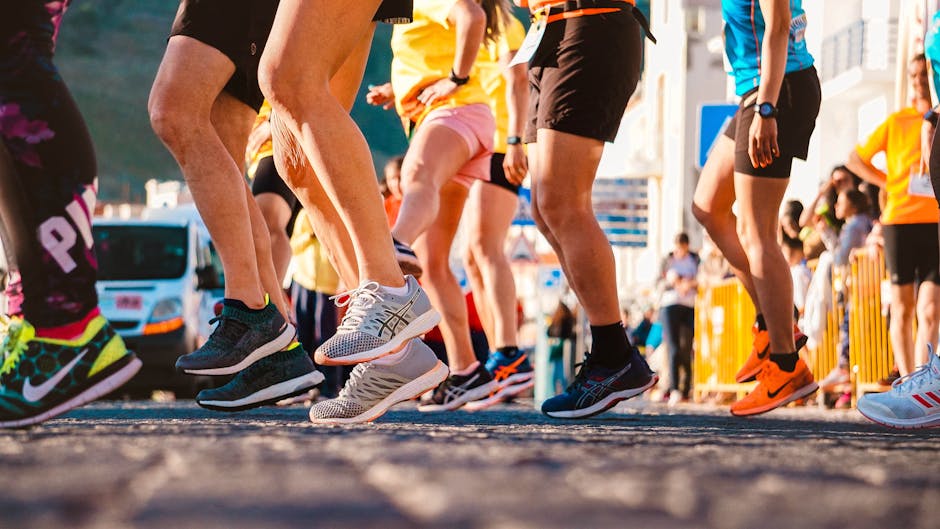
!Marathon runners demonstrating the importance of moisture-wicking socks for active lifestyles Active lifestyles demand socks that can handle perspiration—natural fibres outperform cotton every time
Lifestyle Tips Beyond Socks
Socks are essential, but these habits help too:
Rotate Your Shoes
Never wear the same shoes two days in a row. Shoes need 24-48 hours to dry out completely. Rotating between pairs allows moisture to evaporate.
Use Foot Powder
A light dusting of talc-free foot powder absorbs moisture before it reaches your socks. Apply to clean, dry feet before putting socks on.
Choose Breathable Footwear
Leather shoes breathe better than synthetic materials. Trainers with mesh panels allow airflow. Avoid plastic-lined shoes whenever possible.
When to See a Doctor
If excessive sweating significantly impacts your quality of life, speak to your GP. Hyperhidrosis is a medical condition with treatments available, including prescription antiperspirants, iontophoresis, and in severe cases, Botox injections or surgery.
What We Tested in Spring 2026 (UK Buyers)
In April 2026, we ran a 4-week wear test across UK conditions — wet commutes, indoor central heating, gym sessions — comparing alpaca hollow-fibre, merino, bamboo, and cotton socks for moisture handling. We measured surface dampness across 6-hour wear windows, paired with daily comfort and odour scoring from twelve volunteers in Cambridgeshire.
Alpaca hollow-fibre held below 10% measured surface dampness after six hours of wear, even on humid commute days. Merino sat in the 12-15% range, bamboo around 18%, while cotton consistently crept above 20% — and felt cold and clammy long before the day ended. The gap widened sharply during the April-to-June transition, when feet sweat more from indoor heating overlapping with milder weather.
UK buyers who switch from cotton to alpaca typically report a noticeable difference within three days. The change is most obvious for office workers leaving leather shoes on for eight-hour stretches, and for runners or walkers logging more than 5km in trainers.
Practical takeaway: for daily office wear and warm-weather commutes, choose merino — durable, breathable, well-priced. For gym sessions, walking, and anything where feet stay sweaty for hours, alpaca hollow-fibre handled it best. Cotton stayed bottom of the table; if you want sweat-free feet, it's the first thing to swap out.
FAQs
Why do my feet sweat so much in socks?
Feet have 250,000 sweat glands—more than anywhere else on your body. Sweating increases with heat, physical activity, stress, and enclosed footwear. If your socks are cotton or synthetic, they trap moisture against skin rather than wicking it away, making sweating feel worse than it actually is.
Are wool socks good for sweaty feet?
Yes, wool socks—particularly merino and alpaca—are excellent for sweaty feet. Wool wicks moisture away from skin, regulates temperature naturally, and has antimicrobial properties that prevent odour. Unlike cotton, wool keeps feet dry even when absorbing significant moisture.
How do I stop my feet from sweating and smelling?
Switch to moisture-wicking socks made from merino or alpaca wool. Rotate shoes daily to allow them to dry. Apply foot powder before putting socks on. Choose breathable footwear. If problems persist despite these changes, consult your GP about hyperhidrosis treatments.
What is the best sock material for preventing foot odour?
Merino wool and alpaca wool are the best materials for preventing foot odour. Both wick moisture away from skin and have natural antimicrobial properties that inhibit odour-causing bacteria. Bamboo is also effective. Avoid cotton entirely—it traps moisture and allows bacteria to thrive.
Struggling with sweaty feet? Noblesocks crafts premium socks from alpaca and merino wool—nature's most effective moisture-wicking materials. Check our verified customer reviews to see real experiences. Browse our collections and experience the difference quality materials make.