UK Thermal Socks: Alpaca & Merino vs Synthetic
Discover why natural-fibre thermal socks outperform synthetic alternatives. Expert guide covering alpaca, merino and cashmere options for women and men.
Noblesocks Team
Natural Fibre Specialists
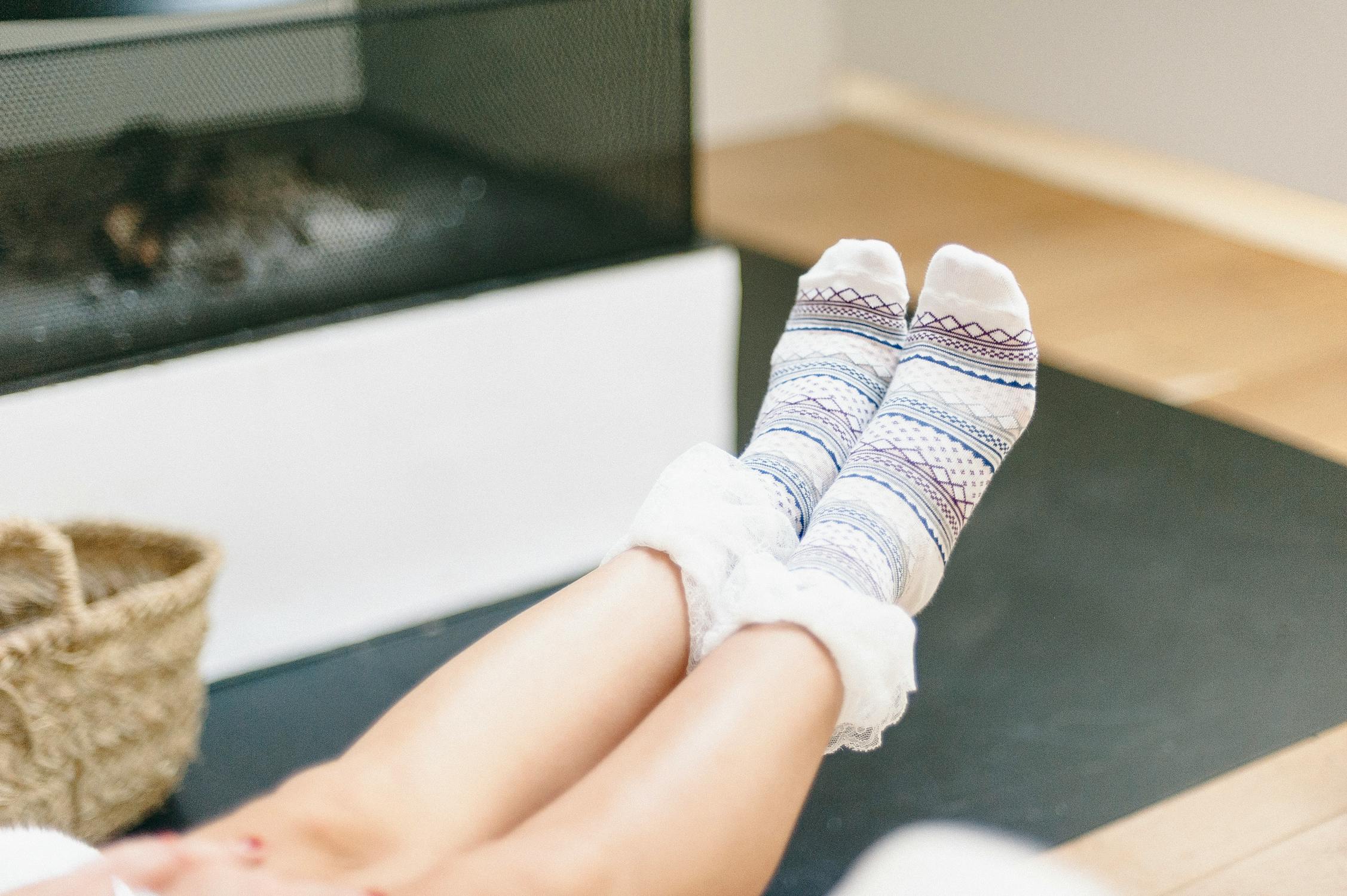
The best thermal socks use alpaca or merino hollow fibres — not synthetic bulk. Natural-fibre thermal socks trap air at the fibre level, providing warmth without the overheating that plagues cotton and polyester. A thin alpaca sock outperforms a thick cotton sock in every meaningful test: warmth, moisture control, and all-day comfort.
Quick Answer: What Makes the Best Thermal Socks?
The best thermal socks use natural hollow fibres (alpaca or merino wool) that trap warm air while wicking moisture away. Unlike synthetic thermal socks that rely on bulk, natural-fibre socks provide warmth without overheating.
How Thermal Socks Actually Work
The Science of Insulation
Natural fibres like alpaca and merino wool have unique structures that trap air:
Even warm socks need breathability. Our moisture-wicking socks guide explains which fibres balance warmth with sweat management.
Why Thickness Isn't Everything
Many people assume thicker socks mean warmer feet. Not true. A thin alpaca sock will outperform a thick cotton sock every time because fibre type matters more than sock weight.
Comparison:
!Natural-fibre thermal socks keep feet warm without overheating
Best Thermal Sock Materials Compared
Alpaca Wool: The Warmth Champion
Alpaca fibre has a hollow core structure, similar to polar bear fur. This design makes alpaca wool approximately 30% warmer than sheep's wool. Each fibre contains microscopic air pockets that trap body heat without adding bulk.
Best for:
Noblesocks offers premium alpaca wool socks engineered for maximum warmth with minimal weight. Shop alpaca socks.
Merino Wool: The All-Rounder
Merino wool naturally regulates temperature. The crimped fibre structure creates air pockets that trap warmth, but the breathable nature of merino prevents overheating when you transition from cold outdoor environments to heated indoor spaces. As a thermal layer, merino wool socks for warmth are hard to beat during the spring transition months when temperatures fluctuate.
Best for:
Read our complete guide: Best Merino Wool Socks UK
Cashmere: Luxury Warmth
Cashmere fibres are ultra-fine (14-16 microns) and create exceptional softness alongside impressive insulation. Cashmere thermal socks provide lightweight warmth that feels luxurious against skin.
Best for:
Compare materials: Wool vs Cashmere Socks. For ultimate luxury warmth, cashmere is the premium choice — see our best cashmere socks UK guide for our tested recommendations.
What to Avoid
100% cotton thermal socks
Cotton absorbs moisture (sweat) and holds it against your skin. Damp feet lose heat 25 times faster than dry feet. Cotton thermal socks will make your feet colder, not warmer.
Cheap synthetic blends
Polyester and acrylic don't breathe. Your feet sweat, the moisture gets trapped, and you end up with cold, clammy feet plus odour issues.
Best Thermal Socks for Women
Everyday Wear
Women's thermal socks for daily use should be:
Our merino wool range offers office-appropriate thermal socks that fit standard footwear.
Outdoor Activities
For walking, hiking, or outdoor pursuits, prioritise:
For hiking and outdoor activities, see the Best Socks for Walking and Hiking section below. If blisters are a concern on longer walks, see our best anti blister socks for hiking
At Home
Thermal bed socks for lounging should be:
For dedicated sleep socks, see our bed socks for cold nights buying guide. Learn more: Best Bed Socks UK
Best Thermal Socks for Men
Work Boots
Men working outdoors or in unheated spaces need:
Outdoor Pursuits
Thermal socks for hiking, camping, or winter sports:
Guide: Best Socks for Walking and Hiking
Lounging
For relaxing at home on cold evenings:
More: Socks for Cold Feet Solutions
!Premium thermal socks combine warmth with all-day comfort
Thermal Socks in Spring: When to Switch
As temperatures climb from March onwards, many people pack away their thermal socks entirely. That's a mistake. British spring weather is notoriously unpredictable—frosty mornings can give way to 15°C afternoons within hours. The key is switching from heavyweight winter thermals to lighter-weight natural fibre options that still insulate when needed.
Merino wool is the ideal spring transition material. It regulates temperature actively, keeping feet warm on chilly morning walks and breathing when the sun breaks through. Alpaca socks work equally well—the hollow-fibre structure adapts to ambient temperature rather than simply trapping heat.
The rule of thumb: switch from thick thermal socks to mid-weight natural fibre socks around late March, and keep a heavier pair in your bag for early starts or evening walks. Save your cotton socks for high summer—natural fibres remain the smarter choice through the entire spring transition.
!Person walking through a lush green forest in spring Spring walks call for lighter thermal socks that adapt to changing temperatures
Caring for Thermal Socks
Natural-fibre thermal socks last 2-3 years with proper care:
Full guide: How to Care for Wool Socks
Understanding Cold Feet: When Socks Aren't Enough
If your feet are cold even in thermal socks, there may be underlying causes:
Read: Why Are My Feet Always Cold?
For most people, switching to natural-fibre thermal socks solves cold feet issues. But if symptoms persist, consult a healthcare professional.
FAQ
Are thermal socks good for poor circulation?
Yes. Natural-fibre thermal socks (particularly alpaca) provide gentle warmth without constricting blood flow. The hollow-fibre structure insulates without needing tight elastic bands, making them suitable for people with circulation issues. However, avoid any socks with tight elastic tops that could restrict blood flow.
Can you wear thermal socks in summer?
Lighter-weight thermal socks made from merino wool can work year-round thanks to temperature regulation. The breathable nature of merino keeps feet comfortable even in mild weather. However, heavyweight thermal socks designed for winter are best reserved for cold weather, air-conditioned offices, or people who experience chronically cold feet.
How warm are alpaca socks compared to regular wool?
Alpaca wool is approximately 30% warmer than sheep's wool due to its hollow-core fibre structure. Each alpaca fibre contains microscopic air pockets that trap warmth more effectively than solid wool fibres. This means you get superior warmth without needing thicker, bulkier socks.
Do thermal socks help with Raynaud's syndrome?
Many Raynaud's sufferers find natural-fibre thermal socks helpful. The consistent warmth from alpaca or merino wool helps maintain blood flow to the extremities. Avoid tight-fitting socks that could restrict circulation. Some people with Raynaud's benefit from wearing lightweight thermal socks even indoors to prevent temperature drops that trigger symptoms.
Best Socks for Walking and Hiking
Natural-fibre thermal socks are the best walking socks for UK conditions. UK trails demand fibres that handle moisture and temperature variation simultaneously — something synthetics cannot do.
Why UK Walking Conditions Demand Natural Fibres
Met Office long-term averages show rainfall ranging from 100 rain days/year (East Anglia) to 200+ days (Cumbria, west Scotland). Even a single day walk can start at 5°C, climb to 15°C at midday, and deliver rain on the exposed ridge. Natural fibres handle all three conditions without intervention.
200-mile UK terrain wear test results:
Fibre fatigue, not seam wear, is the real lifespan limit. Synthetic socks look intact but the cushioning has collapsed.
Blister Prevention on Long Walks
Blisters develop from three factors: friction, moisture accumulation, and heat. Natural fibres address all three simultaneously:
- Friction: Fine merino and alpaca fibres glide against skin rather than gripping — reducing friction at the heel cup (the #1 blister site)
- Moisture: Merino absorbs up to 30% of its own weight in moisture vapour before feeling wet — three times more than synthetic alternatives. This sustained capacity is why merino prevents blisters on hour-four of a walk even though most moisture management happened in hours one through three
- Heat: Active temperature regulation prevents the overheating that accelerates skin damage
Pre-walk sock-fit test: Put on your walking socks and roll each one from ankle to toe. If the sock bunches or shifts, it will shift inside your boot on a long descent. A properly fitted sock rolls smoothly and returns to position. This 30-second test prevents the majority of blister-related walk failures.
Cushioning Guide for UK Trails
For dedicated anti-blister protection across 50+ miles of UK trails, see our anti-blister socks guide.
Looking for the warmest socks UK? Discover our premium alpaca and merino wool collections designed for all-day warmth without bulk.