Are Cashmere Socks Worth It? Honest Answer
Expert comparison of wool and cashmere socks. Discover which material is warmer, more durable, and better value—plus why alpaca wool outperforms both.
Noblesocks Team
Natural Fibre Specialists

Yes, cashmere socks are worth it for luxury comfort and bedtime warmth — but not for daily walking. Cashmere is softer than any other natural fibre and regulates temperature beautifully, but it wears faster than merino and costs 2–3x more. Reserve cashmere for low-friction wear; choose merino or alpaca for everyday.
Quick Answer: Wool for Everyday, Cashmere for Luxury
Wool (especially merino) is the better choice for everyday warmth and active use. It offers superior durability, moisture management, and all-day comfort at a more accessible price point. Cashmere excels as a luxury bed sock or loungewear option—warmer by weight but more delicate. For the ultimate in warmth without compromise, alpaca wool combines the best qualities of both materials.
Are Cashmere Socks Worth It?
Yes, cashmere socks are worth it when softness and luxury matter most. Cashmere fibres are 3x finer than standard wool, creating an impossibly soft feel against skin that no other material matches. They naturally regulate temperature and last 1–2 years with gentle care. However, cashmere wears faster than wool and costs significantly more. For everyday warmth and durability, alpaca hollow-fibre socks deliver the same luxury feel with superior insulation at a lower price point—making them the best value for most buyers.
What Makes Socks Warm?
Before comparing wool and cashmere, it helps to understand what actually creates warmth in a sock.
The Science of Insulation
All natural fibres keep you warm by trapping air. The more air pockets a fibre can create, the better its insulation. This is why:
- Fibre structure matters – Hollow fibres trap more air than solid ones
- Crimp creates air pockets – The natural wave pattern in wool and cashmere traps warm air
- Moisture management is critical – Wet feet lose heat 25x faster than dry feet
- Thickness isn't everything – A well-constructed thin sock can outperform a poorly-designed thick one
The best sock materials balance insulation with breathability, keeping feet warm without causing overheating or dampness. For a deeper dive into why feet lose heat, see our guide to cold feet causes and solutions.
Wool Socks: The Complete Picture
Wool has been the go-to material for warm socks for centuries, and for good reason.
Types of Wool
Not all wool is created equal:
Merino wool is the gold standard for sock construction, offering the softness of cashmere with better durability. For a detailed look at the best options available, see our best merino wool socks UK guide.
Wool Strengths
- Exceptional moisture wicking – Absorbs up to 30% of its weight without feeling wet
- Natural temperature regulation – Warm when cold, breathes when warm
- Antimicrobial properties – Naturally resists odour
- Durability – Outlasts most other natural fibres
- Recovery – Springs back to shape after washing
Wool Limitations
- Some people find regular wool scratchy (though merino largely solves this)
- Requires careful washing to prevent shrinkage
- Takes longer to dry than synthetic materials
Cashmere Socks: Luxury Explained
Cashmere is the fibre of choice when ultimate softness is the priority.
What Makes Cashmere Special?
Cashmere comes from the undercoat of cashmere goats, primarily from Mongolia, China, and Inner Asia. Each goat produces only about 150 grams of usable fibre per year, making it a precious material.
Why Cashmere Feels Different
- Ultra-fine fibres – Just 14-19 microns (finer than merino)
- Exceptional softness – Often described as "cloud-like"
- Lightweight warmth – Warmer per gram than sheep's wool
- Natural sheen – Looks luxurious
Cashmere Limitations
- Delicate structure – Pills and wears faster than wool
- Higher cost – Premium pricing reflects rarity
- Moisture performance – Good but not as effective as merino
- Care requirements – Needs gentle handling
Shop Premium Cashmere – £34.99
Head-to-Head Comparison
Here's how wool (merino) and cashmere stack up across key factors:
The Verdict
Choose wool when: You need practical, everyday socks that will last. Perfect for walking, working, and all-day wear.
Choose cashmere when: Softness and luxury matter most. Ideal for bed socks, relaxing at home, and special occasions. If cashmere wins for your use case, our best cashmere socks UK guide ranks the top options by softness, warmth and value.
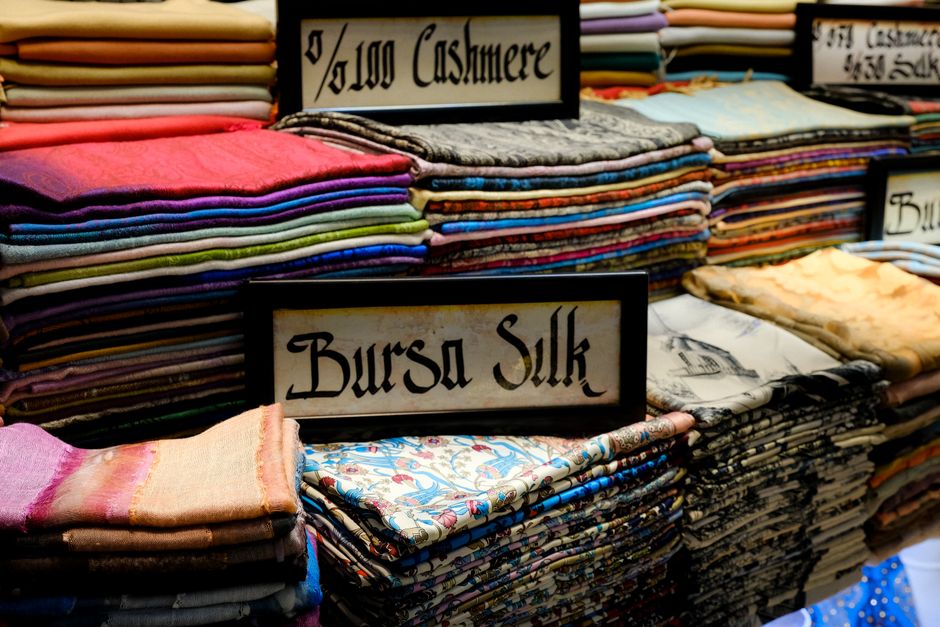
!Stacked luxury cashmere and silk fabrics showing premium fibre quality Premium natural fibres like cashmere and wool offer distinct advantages
When to Choose Wool
Wool is your best choice for:
Active Use
Whether you're walking to work, hiking the countryside, or on your feet all day, wool's moisture management and durability make it the practical choice. You won't have to worry about sweaty feet or replacing worn-out socks every few months.
All-Day Comfort
Merino wool regulates temperature naturally. Feet stay warm in winter and surprisingly comfortable in summer. The antimicrobial properties mean you can wear them longer between washes without odour.
Budget-Conscious Quality
Quality merino socks offer exceptional value. They cost more than basic cotton but last significantly longer and provide genuine warmth—a better investment over time.
Outdoor Activities
From gardening to hiking, wool handles moisture and temperature fluctuations better than any other natural material. It's the choice of outdoor enthusiasts worldwide.
When to Choose Cashmere
Cashmere is the better choice for:
Ultimate Softness
If you have sensitive skin or simply appreciate the finest textures, cashmere delivers an unmatched sensory experience. Nothing feels quite as luxurious against skin.
Bed and Lounge Wear
Cashmere socks are perfect for relaxing at home. They're lightweight enough to sleep in comfortably and add a touch of luxury to your evening routine — the luxury warmth that makes cashmere a favourite choice for bedtime socks comes from those ultra-fine fibres providing gentle insulation without the bulk that disrupts sleep.
Gift-Giving
Cashmere socks make a thoughtful, luxurious gift. Their perceived value exceeds their cost, making them ideal for special occasions.
Minimal Activity
When you're not putting heavy demands on your socks—reading by the fire, working from home, enjoying a lazy Sunday—cashmere's delicate nature isn't a concern.
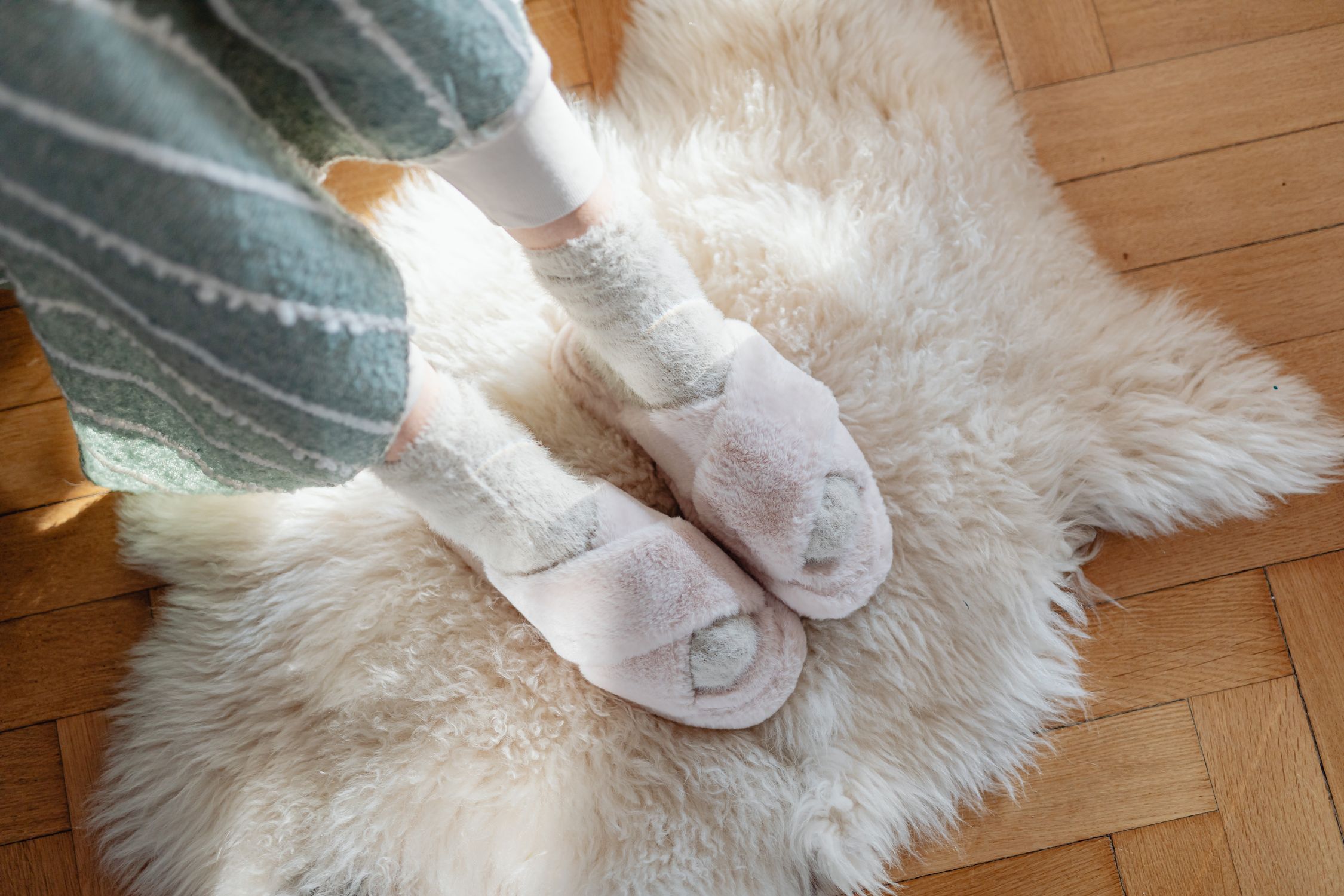
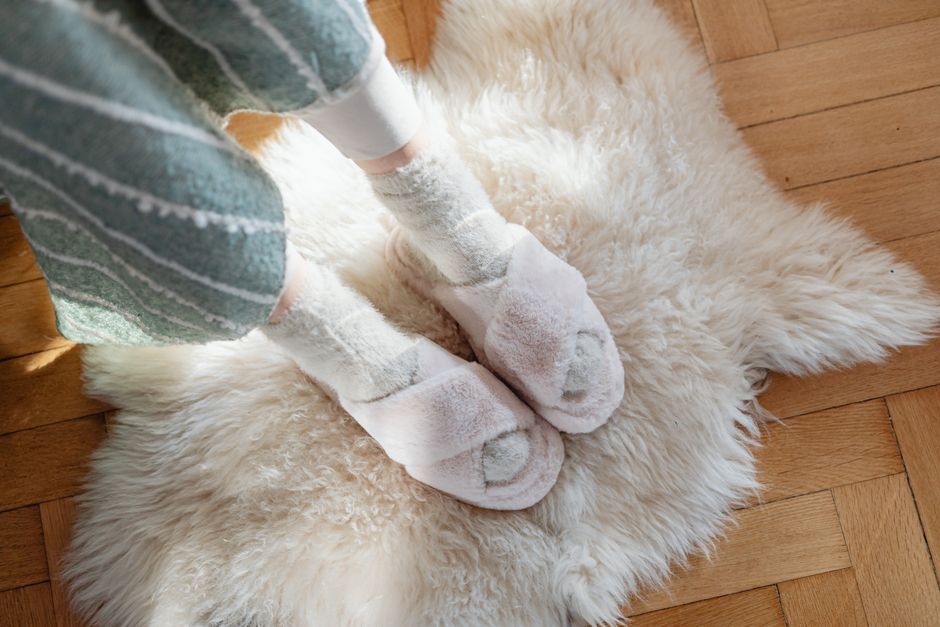
!Relaxing by the fireplace wearing warm cozy socks indoors The perfect setting for cashmere socks—warm evenings by the fire
The Alpaca Alternative: Best of Both Worlds
What if you could have wool's durability and moisture management with cashmere's softness and warmth? That's exactly what alpaca wool delivers.
Why Alpaca Outperforms Both
Alpaca fibre has a unique hollow core structure that:
- Traps 50% more warm air than sheep's wool
- Is naturally hypoallergenic (no lanolin like sheep's wool)
- Feels softer than merino while being more durable
- Wicks moisture effectively without becoming heavy
The Science of Hollow Fibres
Each alpaca fibre contains microscopic air pockets within its structure. This creates an insulating effect superior to both solid wool and cashmere fibres. It's nature's own thermal technology.
Alpaca vs Wool vs Cashmere
Shop Alpaca Wool Socks – £32.99
Caring for Your Premium Socks
Whatever material you choose, proper care extends the life of your investment.
Wool Care Tips
- Wash in cool water (30°C or below)
- Use wool-specific or mild detergent
- Avoid the tumble dryer—air dry flat
- Store folded, not hanging
Cashmere Care Tips
- Hand wash or use a delicates bag
- Cold water only
- Never wring—press water out gently
- Lay flat to dry
- Store with cedar or lavender to deter moths
Alpaca Care Tips
- Machine washable on wool setting
- More forgiving than cashmere
- Dries faster than sheep's wool
- Naturally resists odour (wash less often)
For detailed care instructions, see our Complete Sock Care Guide.
FAQs
Are cashmere socks worth it?
Yes, cashmere socks are worth it if you value luxury softness, lightweight warmth, and bedtime comfort — they're the softest natural fibre available and regulate temperature beautifully. They're not worth it for daily walking or active wear, where they pill and wear faster than merino. For everyday warmth at a better price-per-wear, choose alpaca or merino; reserve cashmere for low-friction occasions.
Is cashmere warmer than wool?
Per gram, cashmere provides slightly more warmth than standard sheep's wool. However, merino wool's superior moisture wicking means it keeps feet warmer in real-world conditions. The warmest option is alpaca wool, which has a hollow fibre structure that traps significantly more warm air than either material.
Do cashmere socks last as long as wool socks?
No, cashmere socks typically wear out faster than quality wool socks. Cashmere fibres are finer and more delicate, making them prone to pilling and thinning with regular use. For everyday wear, wool offers better longevity. Cashmere is best reserved for low-activity occasions like lounging or sleeping.
Are expensive socks worth the money?
Yes, when you're paying for quality materials. Premium socks made from merino wool, cashmere, or alpaca offer genuine warmth, better moisture management, and significantly longer lifespan than cheap alternatives. The cost-per-wear often ends up lower than budget socks that need frequent replacement.
What's the warmest sock material overall?
Alpaca wool is the warmest natural sock material available. Its unique hollow fibre structure traps more warm air than sheep's wool, cashmere, or any synthetic material. For maximum warmth with softness and durability, alpaca is the clear winner.
Still unsure which material is right for you? Noblesocks crafts premium socks from alpaca, merino, and cashmere—each chosen for specific benefits. Browse our collections to find your perfect match.