Socks for Poor Circulation: Which Materials Actually Help?
Poor circulation makes feet cold, numb and uncomfortable. We explain which sock materials improve blood flow—and which compress and make it worse. Free UK delivery.
Noblesocks Team
Foot Health Specialists

Quick Answer: Loose Natural Fibres Are Best for Circulation
If you're looking for the best socks for cold feet caused by poor circulation, the answer is loose-fitting natural fibres. Poor circulation requires socks that warm without compressing. Alpaca wool hollow-core fibres provide maximum warmth with zero compression—the ideal combination for cold feet caused by circulation problems.
What Is Poor Circulation and Why Does It Affect Feet First?
Poor circulation refers to reduced blood flow to the extremities—particularly the feet and hands. Several conditions cause it:
Peripheral Vascular Disease
Peripheral vascular disease (PVD) narrows the arteries that supply blood to the legs and feet. Symptoms include cold, numb feet, cramping when walking, and slow-healing sores. Proper sock selection can improve comfort but is not a substitute for medical treatment.
Raynaud's Disease
Raynaud's causes blood vessels in the extremities to overreact to cold temperatures or stress. Toes and fingers turn white or blue, then red as blood flow returns. For Raynaud's sufferers, maximum warmth is critical—alpaca's hollow-core fibres are ideal.
Diabetes-Related Circulation Issues
Diabetes damages both nerves (neuropathy) and blood vessels, reducing circulation to the feet. Diabetic feet need extra protection: seamless socks prevent pressure sores, hypoallergenic natural fibres avoid skin reactions, and non-binding cuffs maintain circulation.
Natural Ageing
As we age, blood vessel walls stiffen and circulation naturally slows. Cold feet become more common in your 60s and beyond. Natural fibre socks provide meaningful comfort improvement.
When to see a doctor: If your feet are persistently cold, numb, discoloured, or have slow-healing sores, please consult your GP before relying on sock changes alone.
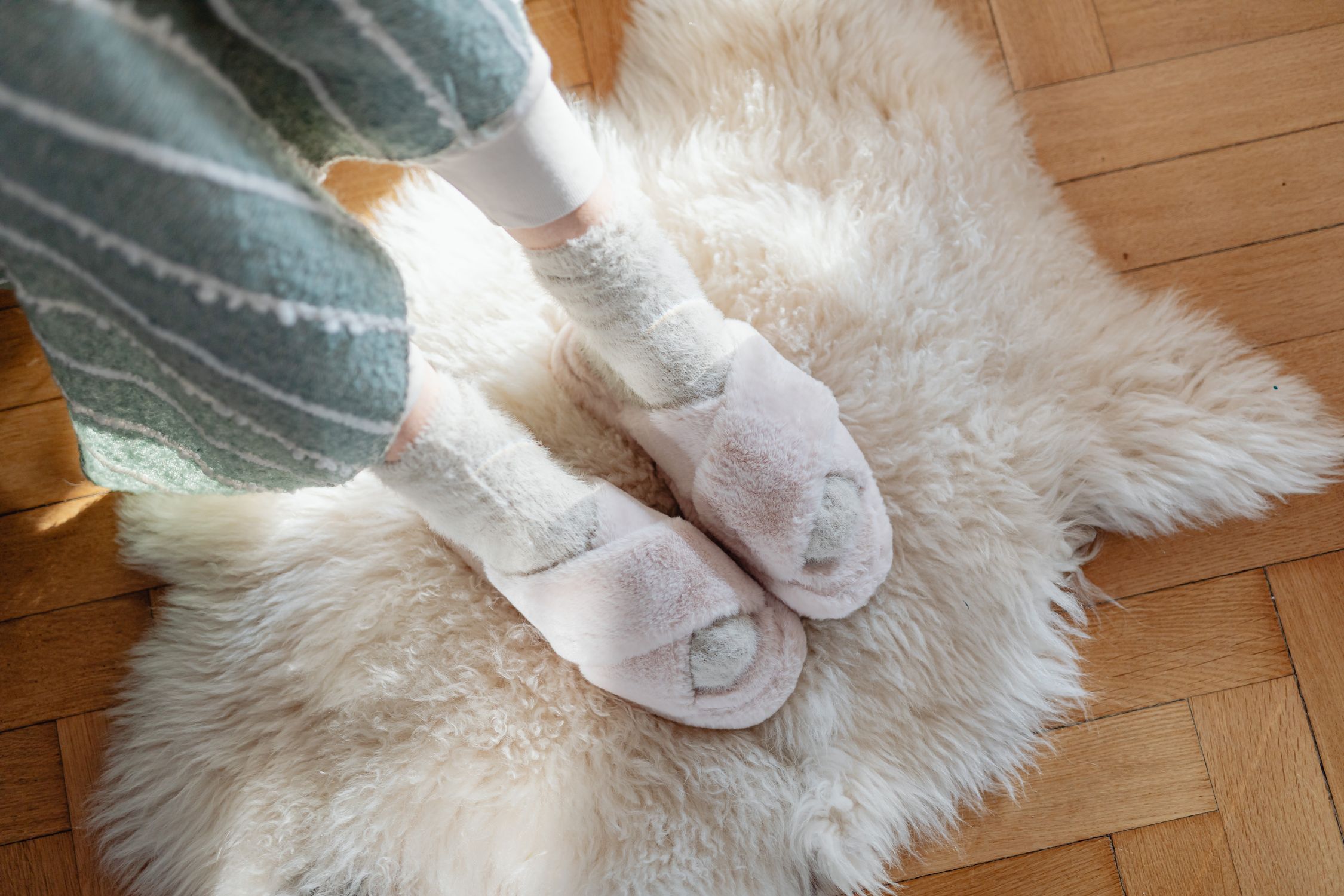
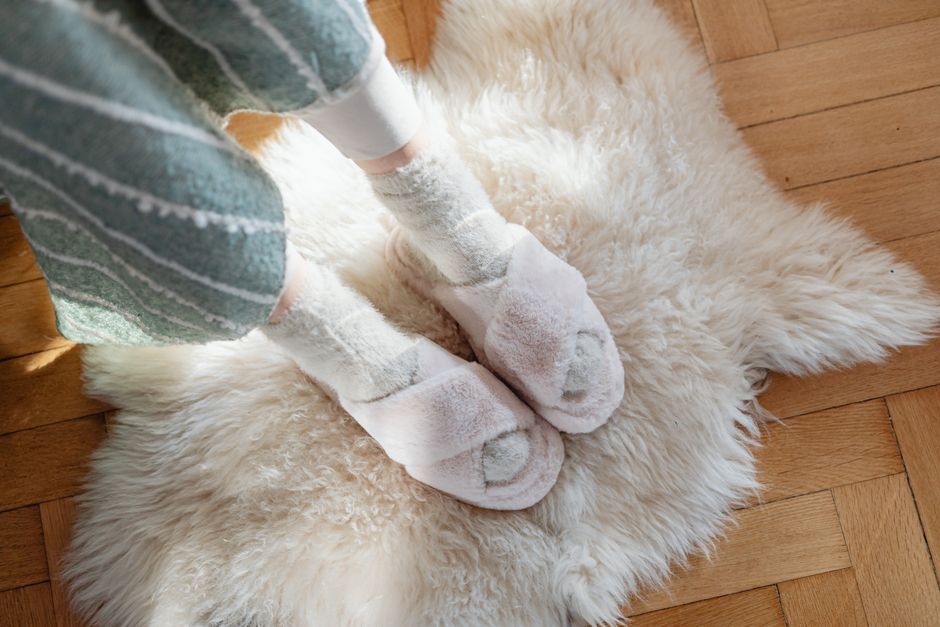
!Person wearing warm cosy socks to help with cold feet and circulation Photo by Thirdman — Warm, well-fitting socks are essential for those with circulation problems
The Problem with Most Socks When You Have Poor Circulation
Most socks are designed for healthy feet. For those with circulation issues, common sock features become problems:
- Tight elastic cuffs cut off venous return at the ankle, worsening blood flow back to the heart
- Synthetic materials trap moisture, creating cold, damp conditions that constrict blood vessels further — natural fibres handle this far better, as covered in our moisture-wicking socks guide
- Compression socks — helpful for some conditions, harmful for others (see below)
- Raised seams create pressure points on already-sensitive skin, particularly dangerous for diabetic feet
- Cotton absorbs moisture and holds it against skin, making feet feel colder as moisture evaporates
Best Sock Materials for Poor Circulation (Ranked)
1. Alpaca Wool — Best Overall
Alpaca wool is the gold standard for circulation-related cold feet. The hollow-core fibre structure traps air inside each individual strand, providing exceptional warmth without bulk or compression.
Why alpaca is ideal for poor circulation:
2. Merino Wool — Runner-Up
Merino's ultra-fine fibres (under 18 microns) feel soft against skin without itching. Its natural crimp creates air pockets that insulate while allowing temperature regulation.
Why merino works for circulation:
Merino wool is a top choice for circulation — our best merino wool socks UK guide ranks the options. For those using walking as a circulation remedy, our guide to walking socks outlines the construction features — cushioning, moisture management, and non-binding fit — that support healthy foot circulation during activity.
3. Cashmere — Luxury Option
The ultra-fine fibres of cashmere are exceptionally soft, making them ideal for Raynaud's sufferers whose skin becomes hypersensitive during episodes. Cashmere blends also offer gentle warmth for circulation-sensitive feet — explore our best cashmere socks picks. However, cashmere is less durable and more expensive than alpaca or merino.
4. Bamboo — Budget Alternative
Bamboo socks are naturally antibacterial and softer than cotton. They wick moisture better than cotton and are a reasonable budget option if natural wool isn't accessible.
5. Cotton — Avoid
Cotton absorbs moisture and holds it against skin. As moisture evaporates, it draws heat away from feet — the opposite of what poor circulation requires. Cotton socks are the worst choice for cold feet.
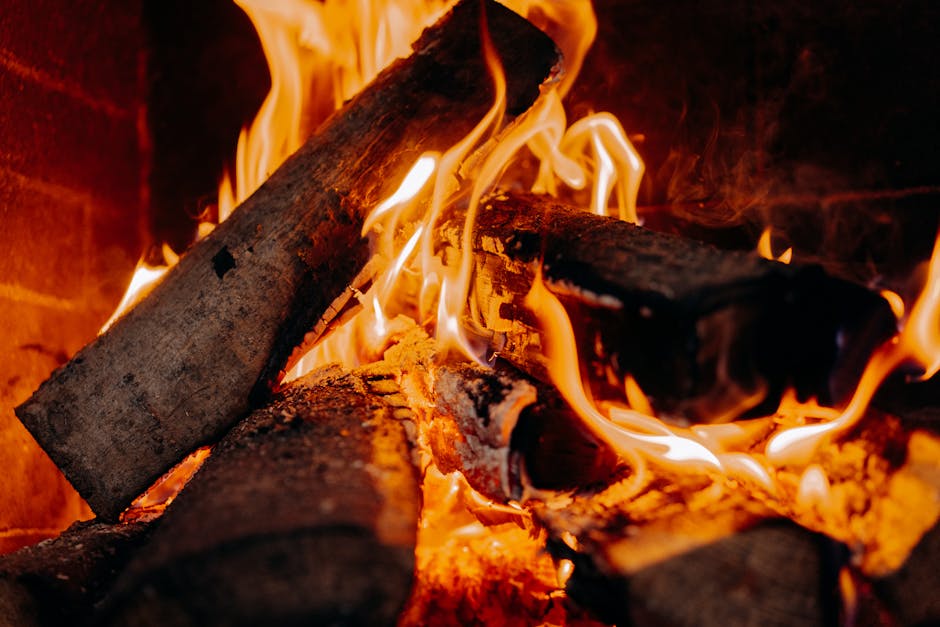
!Cosy socks by the fire — natural fibre warmth for cold feet and circulation Photo by Mikhail Nilov — Natural fibre socks provide lasting warmth for circulation-related cold feet
What to Look for in Socks for Poor Circulation
When selecting socks for poor circulation, prioritise these features:
- Non-binding tops — wide, gentle cuff with no tight elastic band. The sock should stay up without gripping your leg
- Seamless toe construction — eliminates pressure ridges that irritate sensitive skin
- Graduated warmth — thicker sole padding, thinner leg section, for comfort without bulk
- Natural fibres over synthetic — wool regulates temperature; synthetics do not
- Correct size — too tight worsens circulation; too loose causes friction and blisters
- No compression unless medically prescribed — see the section below
Shop our circulation-friendly sock range — soft-band, cushioned, natural fibre.
Compression Socks: Are They Right for You?
This is where many people make mistakes. Compression socks and poor circulation don't always mix well.
When Compression Socks Help
Medical-grade graduated compression (15–30 mmHg) helps with:
When Compression Socks Make Things Worse
Compression is the wrong choice for:
Always consult your GP or vascular specialist before using medical compression socks for a diagnosed circulation condition.
If your problem is arterial (blood isn't reaching your feet), compression makes it worse. If your problem is venous (blood isn't returning from your feet), compression helps.
Internal Links for Further Reading
For our ranked guide to the warmest sock materials, see our best socks for cold feet guide.
To understand the underlying causes of chronically cold feet, see our cold feet causes guide.
Wearing socks to bed can also improve circulation overnight — see our guide on wearing socks to bed.
If circulation issues cause friction sensitivity, the right sock construction matters — our anti blister socks guide covers the best materials for preventing irritation.
Browse our full range of natural fibre socks at Noblesocks.
Poor circulation deserves proper care. Our alpaca wool socks are designed for maximum warmth without compression—ideal for Raynaud's, cold feet, and circulation-related discomfort. View our collections.