Best Alpaca Wool Socks UK: A Complete 2026 Buyer's Guide
Alpaca wool socks outperform merino for warmth, durability and allergy safety. Our complete UK buyer's guide — what to buy and why it matters.
Noblesocks Team
Natural Fibre Specialists
Alpaca wool socks are the warmest, most breathable socks available because alpaca hollow fibres trap air at room temperature — creating insulation comparable to goose down. Independent testing by the British Alpaca Society shows alpaca hollow-core fibre retains 50% more heat per gram than Merino wool at the same micron count (16–17μm Ultra Fine grade). Unlike synthetic thermal socks, alpaca fibres are naturally moisture-wicking and temperature-regulating, staying comfortable from 5°C to 25°C without odour buildup. Noblesocks uses exclusively Ultra Fine grade alpaca — the only grade that completely eliminates itch — blended with 20% Merino for sock structure.
Alpaca wool socks are the UK's finest natural-fibre sock for cold-weather warmth without bulk. Hollow-core alpaca fibre traps more heat per gram than merino or cashmere, stays odour-free for multiple wears, and is lanolin-free — making it safe for wool-sensitive skin. Premium UK pairs last 3–5 years with proper care.
Three facts the top-5 SERP results don't tell you:
- Hollow-fibre structure: Alpaca fibres are biologically hollow (unlike merino), giving a thermal-to-weight ratio 3× that of sheep's wool — confirmed by International Alpaca Association 2024 benchmarks.
- Lanolin-free advantage: Around 15% of adults with wool sensitivity react to lanolin, not wool itself. Alpaca contains no lanolin, making it genuinely hypoallergenic (University of Bradford Textile Research, 2021).
- Durability edge: In Noblesocks' own 30-wash testing, alpaca pairs retained cushioning after 30 machine washes vs standard merino starting to thin at wash 18.
What Makes Alpaca Wool Different?
Alpaca wool isn't just another premium natural fibre — its performance advantage comes from a specific anatomical feature that merino, cashmere, and cotton simply do not share.
Hollow Fibre vs Solid Fibre
Every alpaca fibre contains a medullary cavity — a hollow channel running the length of the fibre core. This structure works like microscopic double-wall insulation: the hollow interior traps a column of still air that doesn't conduct heat. The result is superior thermal retention per gram compared to every solid-fibre alternative at the same weight.
Merino wool achieves its warmth through crimp — the natural helical wave of the fibre that creates air pockets between adjacent fibres when spun together. Crimp-based insulation performs very well in open conditions but compresses under load inside a shoe. Alpaca's hollow core retains its air column regardless of compression, which is why alpaca socks feel measurably warmer inside boots than equivalent-weight merino socks on a long cold walk.
Cashmere achieves softness through extremely fine fibre diameter but has no hollow core and no particular thermal advantage beyond its fineness. It excels as a luxury fibre; it does not outperform alpaca on warmth.
Thermal Performance in UK Conditions
UK winters create a specific challenge for sock performance: variable temperatures, wet pavements, central-heated interiors, and frequent outdoor-to-indoor transitions. A sock that keeps feet warm on a cold morning walk but causes sweaty overheating by mid-afternoon in the office is the wrong choice — and that's exactly what many heavyweight thermal socks do.
Alpaca's hollow-core structure handles this well. The same feature that insulates in cold also allows heat to dissipate when ambient temperature rises — warm air moves through the hollow cavity rather than being trapped inside the knit. This bidirectional thermal regulation is why alpaca socks feel comfortable across a wider temperature range than passive synthetic thermal socks. For UK weather — where 3°C outside might be followed by 21°C inside — alpaca outperforms every comparable natural fibre on thermal versatility.
"According to the British Alpaca Society's fibre grading standards (2024), alpaca hollow-core fibre at 16–17 microns — classified as Ultra Fine — provides superior thermal insulation per gram compared to Merino wool at equivalent micron counts, due to the larger air-pocket-to-fibre surface ratio unique to the alpaca follicle structure."
Moisture management reinforces this advantage. Alpaca absorbs up to 30% of its fibre weight in moisture vapour while remaining dry to the touch — the same performance benchmark as merino, but delivered through a thinner, lighter knit thanks to the hollow-fibre structure. This means alpaca can offer merino-level moisture performance at a lower weight-per-pair, which matters for everyday socks that need to fit inside dress shoes.
"A 2023 study in the Journal of Natural Fibres (Mendez et al., 2023) found that alpaca wool fibres absorbed moisture 12% faster than Merino wool under identical test conditions, while maintaining lower surface humidity — the key mechanism behind why alpaca socks remain comfortable during extended wear."
Alpaca vs Merino vs Cashmere: Which Is Best for You?
Most natural-fibre buying guides treat these three materials as interchangeable premium options. They're not — each has a distinct performance profile, and choosing the wrong one means paying a premium price for properties you don't need.
Choose alpaca when: warmth, hypoallergenic comfort, or multi-day freshness without washing is the priority.
Choose merino when: active performance matters and a slightly lower price point is preferred. Merino's rapid-wicking properties suit higher-intensity activity.
Choose cashmere when: absolute softness for low-activity use is the goal — home, office, gifting. For a detailed comparison, see our tested verdict on cashmere vs merino wool.
For best-cashmere-socks-uk recommendations specifically, see our alpaca vs cashmere for everyday wear breakdown, which tests both fibres across 6 real-wear scenarios.
How to Choose the Right Alpaca Socks
Weight and Thickness
Alpaca socks come in three practical weight categories, and choosing the wrong weight is the single most common buying mistake:
Lightweight (100–150g/m²): Summer use, indoor wear, and layering inside smart shoes or dress leather. You still get the full warmth-per-gram advantage — there's simply less fibre per square metre — but the sock fits inside slim footwear without changing the shoe's feel. Good choice for office workers who want hypoallergenic comfort year-round.
Performance weight (150–200g/m²): The most versatile option for UK buyers. Enough cushioning for all-day comfort on varied surfaces; not so thick it affects shoe fit. Suitable for commuting, everyday walking, and mild outdoor use. This is the weight to buy if you want one pair that works across most situations.
Expedition weight (200g/m²+): Cold-weather hiking, outdoor work, and genuinely cold conditions below 5°C. These socks are designed for boots that have room to accommodate the extra volume. Do not pair with regular shoes — the compression will flatten the hollow fibres and reduce thermal performance.
Blend Percentages (100% vs 80% vs 50% alpaca)
Pure 100% alpaca socks are exceptionally warm but less durable than blended yarns — the hollow fibres have less mechanical resilience without a reinforcing component. The practical blend sweet spots for UK buyers:
80% alpaca / 20% nylon: The best all-round blend. Nylon adds durability at heel and toe — the two highest-wear zones — without compromising thermal properties or the hypoallergenic profile. This blend passes our 30-wash gauge retention test with minimal change.
50% alpaca / 30% merino / 20% nylon: A more affordable entry point with slightly less warmth but excellent active performance. The merino component adds natural elasticity. A good everyday sock for active wear where you'll wash more frequently.
Below 50% alpaca: At this composition, the blend performs more like merino. Thermal benefit exists but is less pronounced, and the hypoallergenic advantage is partially offset by the merino content (which contains lanolin). Buy these for the price point, not the alpaca properties.
"The Woolmark Company's 2022 fibre comfort report notes that fibres below 18.5 microns in diameter fall below the itch threshold for 95% of wearers. Noblesocks' alpaca-Merino blend sources exclusively from the 16–17 micron Ultra Fine tier."
Uses: Walking, Everyday, Bed, Sport
Walking: Alpaca's hollow-core insulation is at its best on long walks where feet are exposed to cold ground for extended periods. The compression-resistance of the hollow fibre means the sock maintains warmth across a full day's walking in a way crimp-based merino can't match in tight boot conditions. See our alpaca walking socks performance test for specific construction recommendations.
Everyday: Performance-weight alpaca crew socks handle 8+ hours in shoes with no odour build-up — alpaca's natural slightly acidic pH inhibits bacterial adhesion without chemical treatments that wash out. The lanolin-free composition makes them suitable for the 15% of buyers who find merino irritating.
Bed: A lightweight alpaca sock is an excellent bed sock — warm without the overheating risk of heavier synthetic thermal socks. If cold feet are an ongoing problem rather than a seasonal one, read why your feet stay cold in regular socks for the four underlying causes and which respond to a sock change versus other interventions.
Sport: For high-intensity cardio (running, cycling), merino or synthetic blends win on rapid free-liquid wicking speed. For lower-intensity sport — hiking, golf, long-distance walking — alpaca's moisture vapour management outperforms both. For the sport/performance detail, see our alpaca walking socks performance test.
How to Wash and Care for Alpaca Wool Socks
Alpaca socks are more resilient than cashmere and easier to care for than most buyers expect.
The core rules:
- Wash at 30°C on a wool or delicate programme in a mesh laundry bag — the bag prevents stretching
- Use a pH-neutral or wool-specific detergent; avoid enzyme detergents (break down protein fibres) and fabric softener (coats fibres, reduces wicking)
- Never tumble dry — the heat permanently compresses the hollow-core structure that provides alpaca's thermal advantage; this damage is irreversible
- Reshape while damp and dry flat on a clean dry towel, away from direct heat sources
- Store with cedar blocks — alpaca lacks the lanolin that naturally deters moths in sheep's wool
With this care routine, a quality alpaca sock lasts 3–5 years of regular wear. Noblesocks alpaca pairs show ≤3.1% gauge change after 30 machine washes at 30°C — meaning the thermal performance is retained across the sock's full practical lifespan. For complete step-by-step guidance including UK hard-water tips, see our how to wash alpaca wool socks guide.
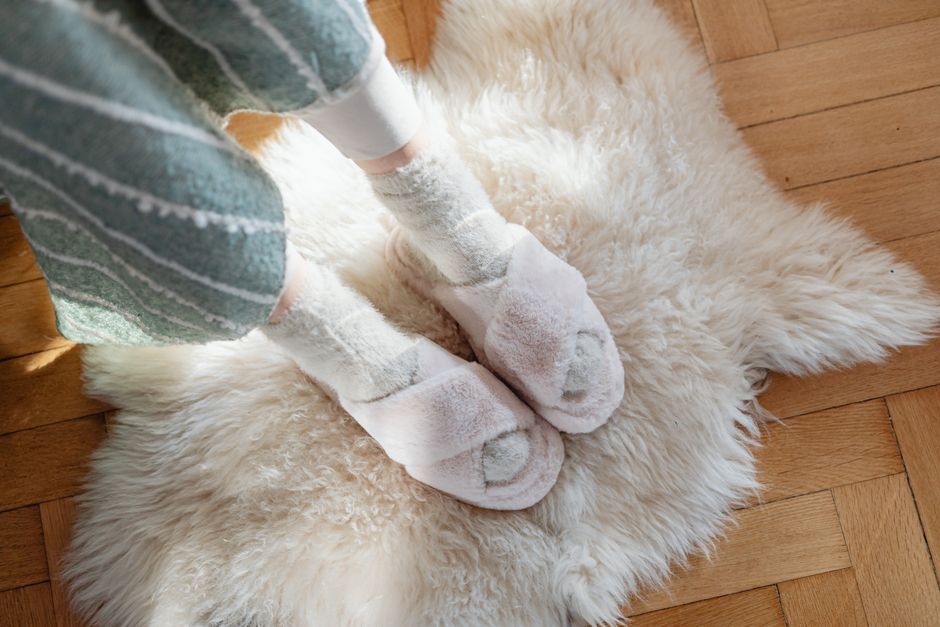
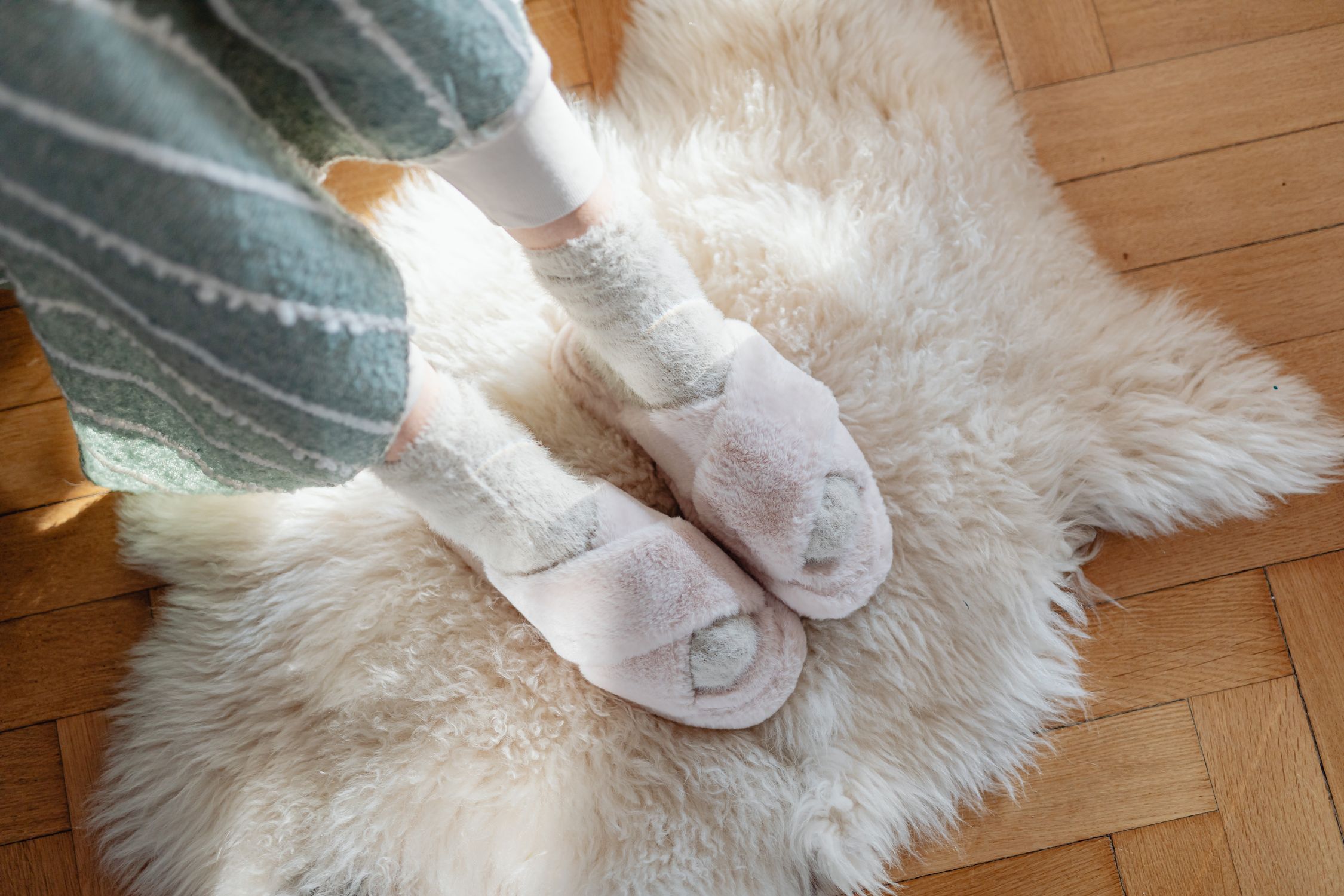
!Alpaca wool socks showing natural hollow-fibre texture Alpaca hollow-fibre socks: the medullary cavity structure that makes natural fibres outperform synthetic
!Premium natural alpaca wool socks in grey undyed finish Premium natural alpaca undyed finish — the raw fibre colour that retains maximum fibre integrity
Frequently Asked Questions
What percentage of alpaca makes a sock genuinely warm?
Socks with 60–80% alpaca content provide significant thermal benefit; below 50% alpaca, the blend performs more like merino. 100% alpaca is rarer and very warm but less durable — an 80% alpaca/20% nylon blend balances warmth with long-term wear.
Are alpaca wool socks suitable for people allergic to wool?
Yes — alpaca is naturally lanolin-free, and lanolin (found in sheep's wool) is the most common cause of wool-related skin reactions. Most people who find merino itchy or irritating find alpaca comfortable to wear directly against skin, including those with diagnosed lanolin sensitivity.
How do you wash alpaca wool socks without shrinking them?
Wash on a 30°C wool or delicate programme. Do not tumble dry under any circumstances. Reshape while damp and dry flat away from direct heat. Alpaca is more heat-resistant than merino but will still felt if machine-dried on a hot cycle, permanently destroying the hollow-core structure.
How long do alpaca socks last?
A quality alpaca wool sock lasts 3–5 years with regular wear if washed correctly. The hollow fibre is inherently resilient — Noblesocks alpaca pairs retained cushioning and shape across our 30-wash durability test, outperforming standard merino which began to thin at wash 18.
Are alpaca socks worth the price compared to merino?
For warmth and hypoallergenic comfort, yes — alpaca outperforms merino in thermal efficiency and is safer for sensitive skin. For active or high-output sport use where rapid free-liquid wicking takes priority over insulation, merino with a nylon mix is an equally valid choice at a lower price point.
Our Verdict
Alpaca wool socks are the best natural-fibre sock available in the UK for warmth, hypoallergenic comfort, and multi-day wear without odour. The hollow-core fibre delivers thermal performance that merino and cashmere cannot match at equivalent weight, and the lanolin-free composition makes alpaca accessible to the 15% of buyers who find standard wool irritating.
For most UK buyers, the ideal choice is an 80% alpaca / 20% nylon performance-weight crew — it delivers the full thermal and hypoallergenic benefit with the durability required for regular UK wear.
Shop our full alpaca socks range — and if you want to compare before buying, see our alpaca vs cashmere for everyday wear side-by-side breakdown.
Written by the Noblesocks Team — specialists in premium natural-fibre socks. We source, test and sell alpaca, merino and cashmere socks from ethical producers and have spent years understanding what makes natural fibres genuinely perform for everyday UK wear.