5 Reasons Merino Wool Makes the Best Socks
Discover why merino wool is the ultimate material for premium socks. From temperature regulation to odour resistance, learn what makes it special.
Sarah Mitchell
Materials Expert
What Makes Merino Wool Special?
Merino wool comes from Merino sheep, originally bred in Spain and now primarily raised in Australia and New Zealand. Unlike regular wool, merino fibres are incredibly fine—about a third the diameter of human hair—making them soft, breathable, and perfect for socks.
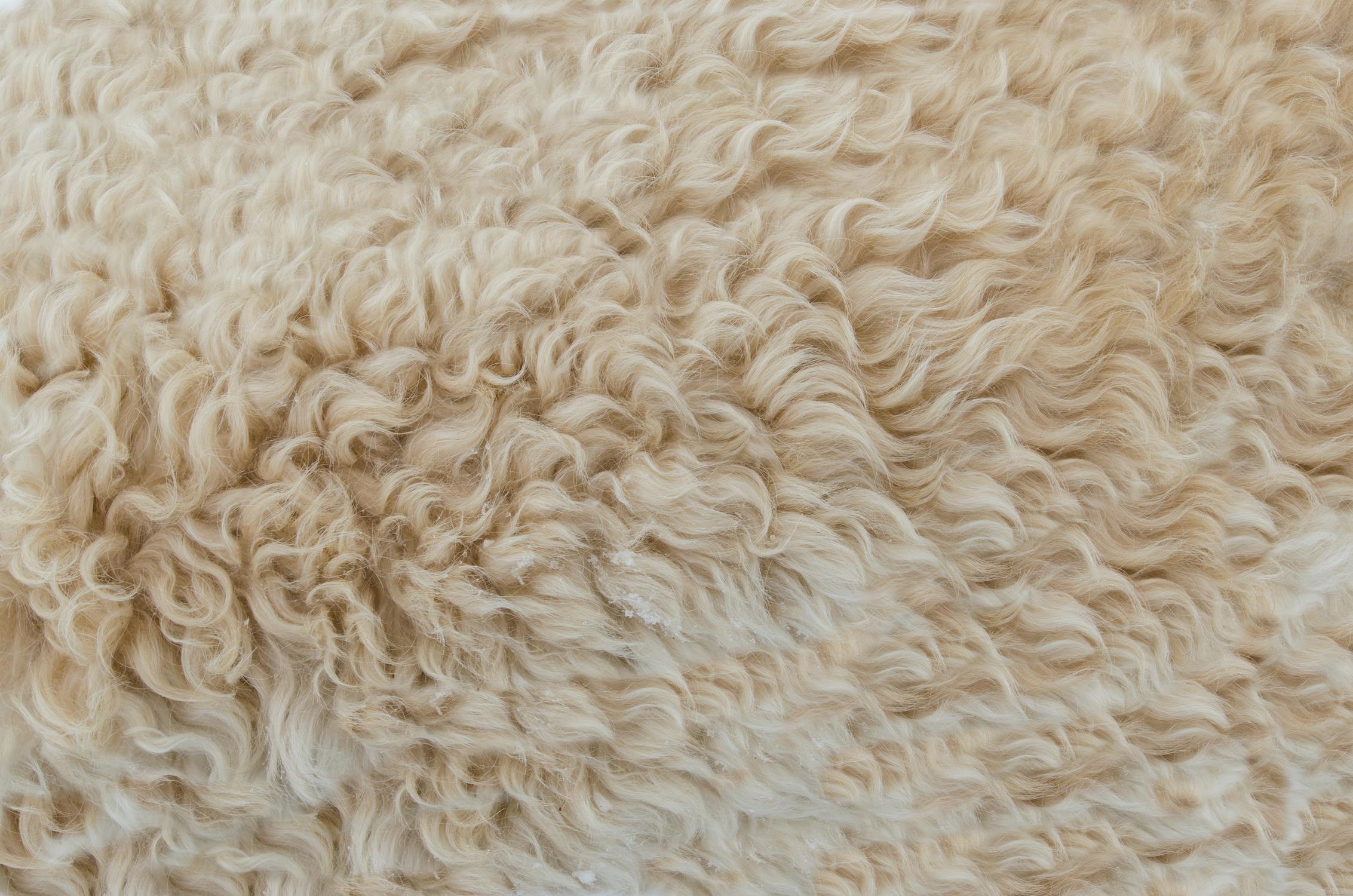
!Close-up of a fluffy Merino sheep showcasing its natural wool Merino wool's fine fibres create socks that are soft, warm and naturally odour-resistant
1. Natural Temperature Regulation
Warm in Winter, Cool in Summer
Merino wool is nature's own climate control system. The fibres have a unique structure that:
- Traps air for insulation when it's cold
- Wicks moisture away from skin when you're warm
- Adapts to your body temperature throughout the day
This makes merino socks perfect for any season. Whether you're trudging through snow or walking on a summer's day, your feet stay comfortable. The same temperature-regulating properties make merino one of the most recommended materials for sleeping with socks on — maintaining foot warmth during sleep onset without causing overheating through the night.
The Science Behind It
Merino fibres can absorb up to 30% of their weight in moisture without feeling wet. As this moisture evaporates, it creates a cooling effect. In cold conditions, the crimped fibres trap warm air close to your skin.
2. Superior Odour Resistance
Say Goodbye to Smelly Feet
One of merino wool's most celebrated properties is its natural resistance to odour. Here's why:
- Antibacterial properties prevent odour-causing bacteria from thriving
- Moisture management keeps feet dry (bacteria love moisture)
- Natural lanolin has antimicrobial qualities
You can wear merino socks multiple times between washes without any unpleasant smells—perfect for travel or outdoor adventures.
3. Incredible Softness
No Itch, All Comfort
Remember that scratchy wool jumper from childhood? Merino is nothing like that. The ultra-fine fibres (typically 17-24 microns) are:
- Too fine to trigger the itch response
- Incredibly soft against skin
- Gentle enough for sensitive feet
Many people who think they can't wear wool are amazed by how comfortable merino feels.
4. Natural Moisture Management
Dry Feet, Happy Feet
Sweaty feet lead to blisters, discomfort, and skin issues. Merino wool excels at moisture management:
- Absorbs moisture from your skin into the fibre core
- Releases moisture as vapour to the outside air
- Stays comfortable even when damp (unlike cotton)
Your feet stay drier throughout the day, reducing the risk of blisters and fungal infections.
Merino Wool for Walking and Hiking
Why Walkers Choose Merino
Merino wool has become the go-to material for serious walkers and hikers. Here's why:
Blister Prevention
The moisture-wicking properties keep feet dry, and the smooth fibres reduce friction—the two main causes of blisters. Many walkers report being able to complete long walks blister-free after switching to merino.
All-Day Comfort
Unlike synthetic walking socks that can feel clammy, or cotton socks that become heavy with sweat, merino maintains comfort throughout a full day's walk. The natural temperature regulation keeps feet warm during cold morning starts and cool during midday climbs.
Multi-Day Wear
For hikers on multi-day treks, merino's odour resistance is invaluable. You can wear the same pair for several days without the smell that would develop with other materials.
Boot Compatibility
Merino socks work excellently with walking boots. The natural give of the fibres prevents pressure points, while the moisture management keeps the inside of your boots in better condition.
Planning a walk? Our Premium Merino socks are perfect for everything from afternoon strolls to serious hiking.
5. Durability and Resilience
Built to Last
Despite their softness, merino fibres are remarkably durable:
- Natural elasticity means fibres bounce back after compression
- Resistant to wrinkles and holds shape well
- Can be bent 20,000 times before breaking (compared to 3,000 for cotton)
With proper care, merino socks will outlast many synthetic alternatives.
Merino vs Other Materials
Environmental Benefits
A Sustainable Choice
Merino wool is also an eco-friendly option:
- Renewable resource (sheep produce new fleece annually)
- Biodegradable (unlike synthetic fibres)
- Low environmental impact when responsibly sourced
- Long-lasting (reducing need for frequent replacement)
At Noblesocks, we source our merino from certified ethical farms that prioritise animal welfare and environmental sustainability. Our commitment to natural fibres is rooted in a long tradition of innovation and quality.
Caring for Merino Socks
To maintain your merino socks:
- Wash in cold water with mild detergent
- Avoid fabric softeners
- Air dry flat (never tumble dry)
- Store folded, not balled
Frequently Asked Questions About Merino Wool Socks
Is merino wool itchy?
No. Unlike regular wool, merino fibres are so fine (17-24 microns) that they're too small to trigger the itch response. Most people who think they can't wear wool are surprised by how soft merino feels.
Can I wear merino socks in summer?
Yes! Merino's temperature regulation works both ways—it keeps you warm in winter and cool in summer by wicking moisture away from your skin. It's truly an all-season material.
How often should I wash merino socks?
Thanks to merino's natural antimicrobial properties, you can wear them 2-3 times between washes without odour developing. This also extends their lifespan.
Are merino socks worth the price?
Yes. Premium merino socks last 1-2 years compared to 3-6 months for cotton. They're more comfortable, better for your feet, and better for the environment. The cost-per-wear is comparable to cheap socks.
Our Premium Merino Collection
Our Premium Merino socks use 100% fine merino wool for the ultimate comfort experience. Available in classic colours, they're perfect for everyday wear or special occasions.
Ready to find your pair? Our best merino wool socks UK guide ranks and compares the top options. See how merino compares to cashmere in our head-to-head test if you're deciding between the two.
See what real UK customers say about alpaca and merino blends in our verified reviews.
Experience the merino difference. Shop our Premium Merino collection today.